On the morning of April 20, 1999, two gunmen attacked Columbine High School, killing 12 students and a teacher. It was the worst mass shooting in Colorado history. Social studies teacher Fletcher Woolsey, a freshman at the time, was a survivor.
When shots were first heard, Woolsey had to run and take shelter. While Eric Harris and Dylan Klebold terrorized the cafeteria, he was a few rooms over, huddled in the lunch ladies’ bathroom.
“For me, I felt this part of my brain unlock that was very much in survival mode,” Woolsey said. “Most people would be surprised to know that that wasn’t a feeling of fear or sadness. It was a fear, but it was a very different fear. It was a very real fear, as opposed to just an anxiety.”
After hiding through the length of the shooting, a senior led him and others hiding nearby. As he escaped the school, he walked by the body of freshman Dan Rohrbough, a good friend of his and the second victim of the shooting.
All in all, he knew four victims personally—junior Rachel Scott and freshman Steven Curnow from the debate team, and Dan Mauser had been an old friend from elementary school.
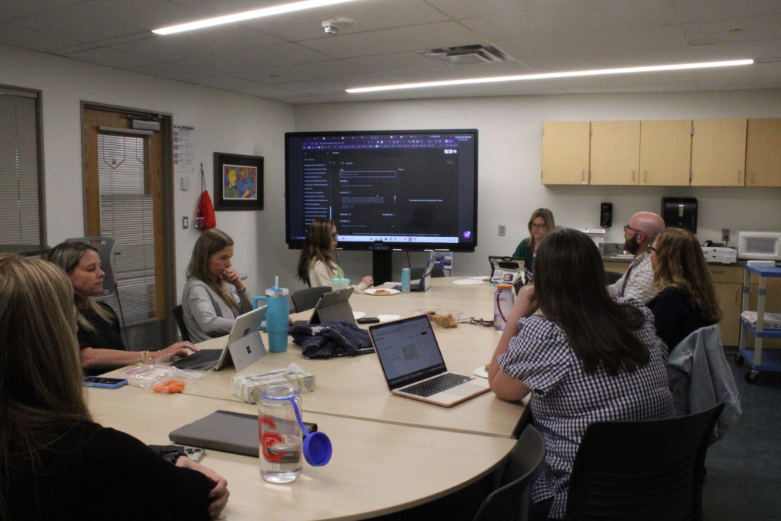
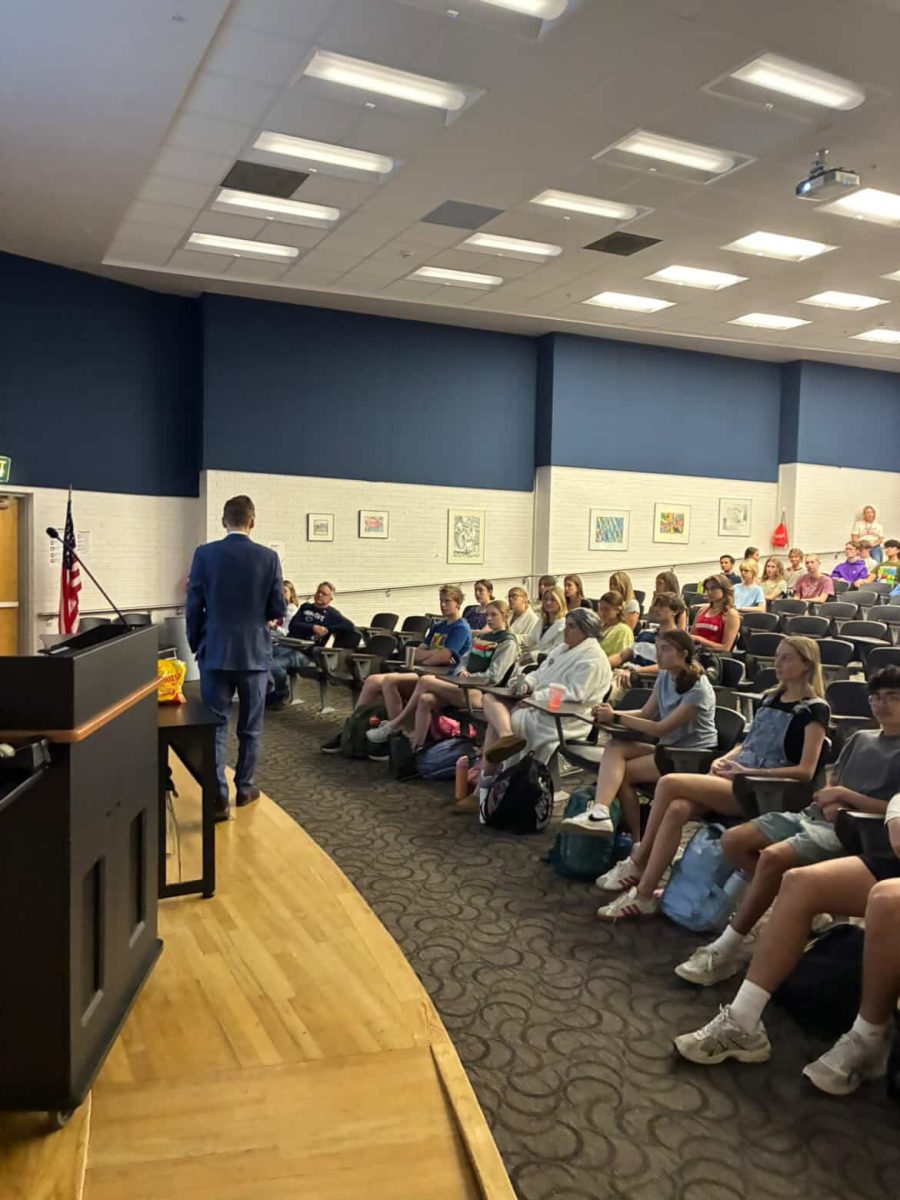
Despite the trauma, Woolsey openly speaks about the tragedy each year around the anniversary. The past few years, he’s worked with Creek Students Demand Action (SDA), a chapter of a nationwide organization fighting gun violence. On April 22, SDA hosted him to tell his story before school.
“One thing that I have heard other people, especially military vets, say is that talking about it helps,” Woolsey said. “You come more to terms with it, because you have to think it through, and you start thinking about it more historically and autobiographically, as opposed to just being caught up in emotions.”
Senior Bela Hafley was in attendance and she was touched by the story.
“I think it’s important for Mr. Woolsey to tell his story because it made me realize how similar he was to me when that happened,” Hafley said. “He was a freshman, he was having lunch with his friends on a normal day. and then was caught up in tragedy.”
For Woolsey, the shooting altered his adolescence. He said that while most take all of high school to mature and grow into adulthood, he felt like he took a jump.
“I feel like I did go from kind of an annoying middle schooler to feeling like an adult in many ways,” he said.
For Hafley, the SDA event is an important reminder that Columbine isn’t all in the past.
“It’s easy for students to think about Columbine as a historical event, and not something that happened 30 years ago with people and survivors alive today,” she said. “People need to [accept] the fact that this is not a historical problem, but a current one.”
Woolsey stayed apolitical during his talk, not arguing for gun legislation, but senior SDA Vice President Adina Becker-Schwartz hopes that stories like him stir the community to action.
“I just hope that people can walk away with a reminder of how gun violence can affect people in areas anywhere suchlike a small suburban neighborhood,” Becker-Schwartz said. “You really do have to speak up.”