

Social Isolation
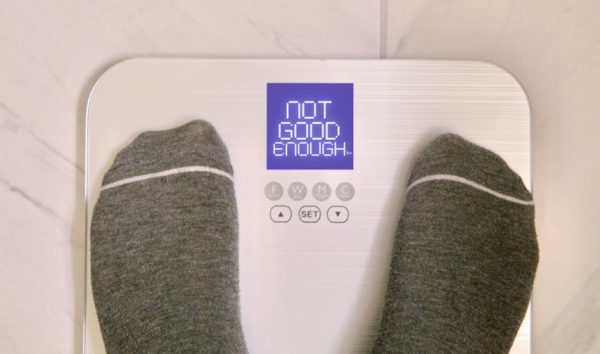
Over time, body image dissatisfaction (BID) and body dysmorphia disorder (BDD) can also lead to isolation. Insecurity caused by BDD can cause people to avoid social events, relationships, or even everyday situations. That isolation can make things worse, leading to more negative thoughts and further lowering self-esteem.
A World Health Organization study found that about one aged 13 to 17 experience high rates of loneliness. Beyond increased rates of loneliness, issues like BID can lead to further issues.
An article from the National Library of Medicine explains that body dissatisfaction can cause individuals to avoid social interactions or situations where their bodies might be scrutinized, leading to further deterioration in mental health.
Eating Disorders
Conditions such as anorexia nervosa and bulimia nervosa frequently develop during adolescence, setting these conditions up as a long-term struggle for many. The National Eating Disorders Association estimates that approximately 9% of the U.S. population will experience an eating disorder in their lifetime.
Eating disorders can also arise alone, not as a symptom of body dysmorphia. Many who suffer from both disorders experience the same feelings of shame and disgust in their own bodies.
Eating disorders take a life every 52 minutes.
Cosmetic Changes
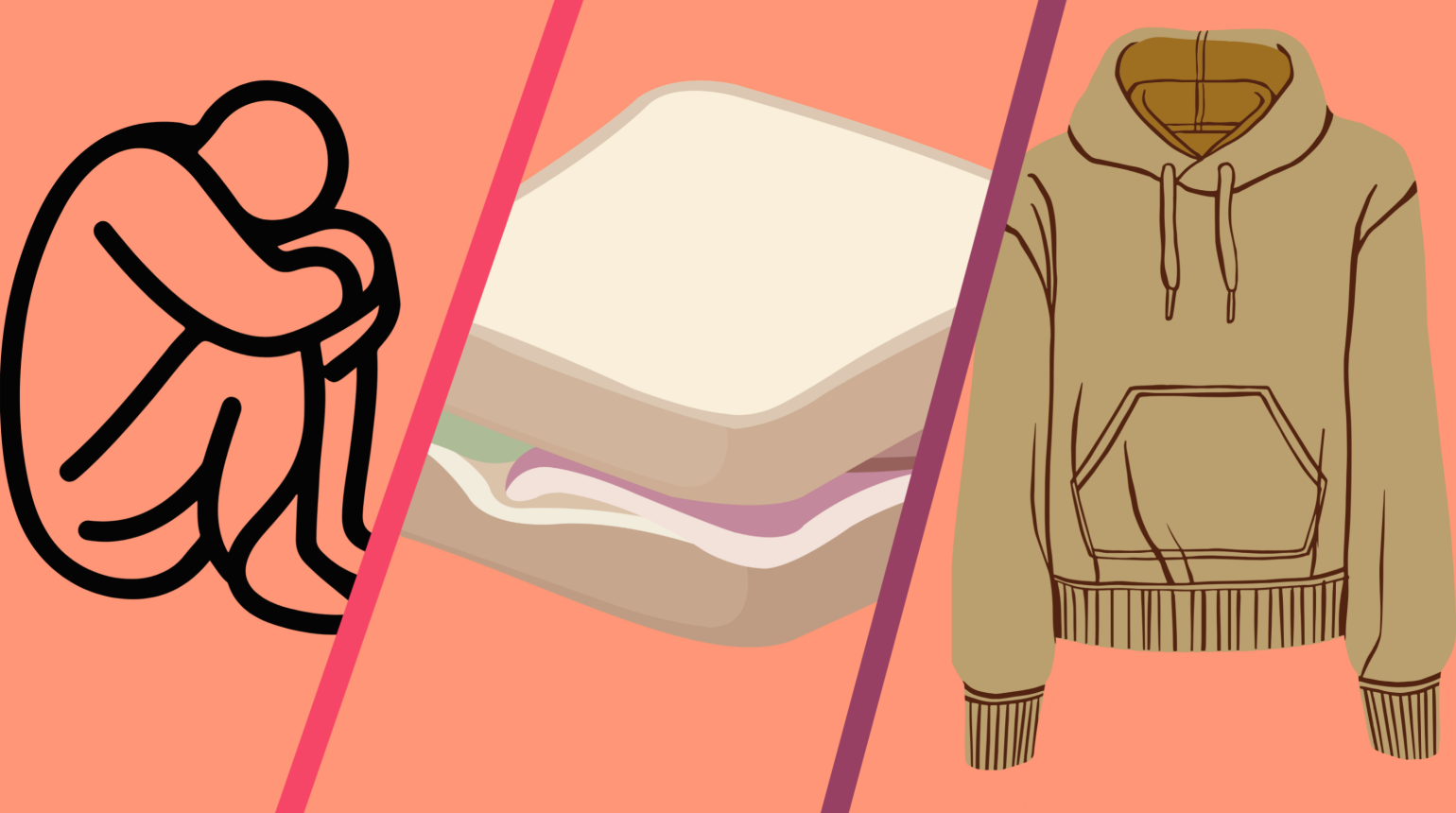
Many cope with BDD by using ‘body advoidance,’ including baggy clothing, avoiding mirrors, or refraining from physical contact, according to the Center for Growth.
To cope with other discomforting features, many seek plastic surgery, or for skin conditions, many utilize makeup.
24% of patients who underwent plastic surgery suffered from body dysmorphic disorder.