
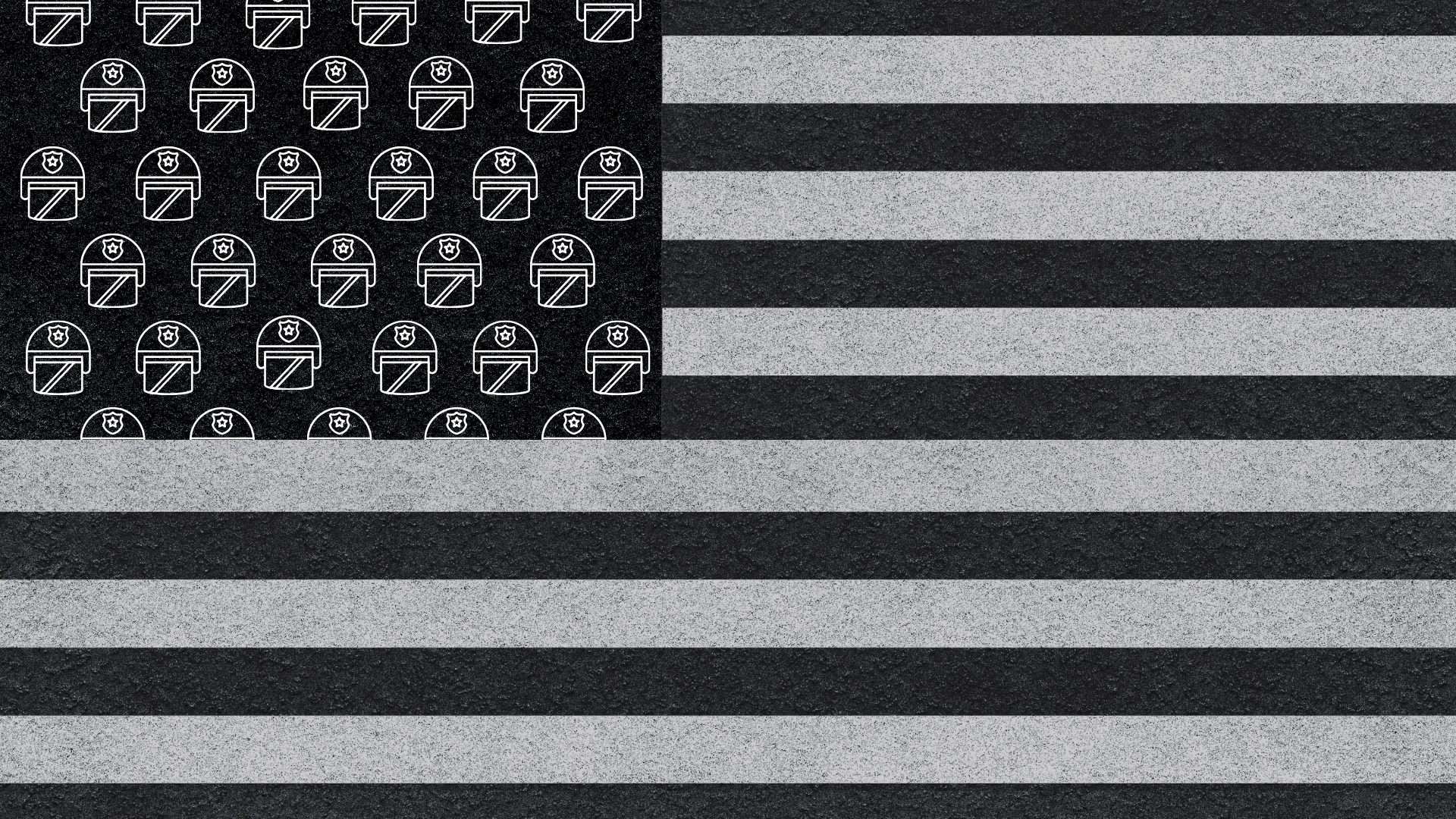

In June 2025, President Donald Trump deployed the National Guard to Los Angles in response to protests against ICE. Following that he deployed more than 2,000 National Guard troops to Washington, D.C.
Trump has signaled he may extend similar measures to other Democratic-led cities, naming Chicago, New York, Los Angeles, Philadelphia, and Baltimore as potential targets for federal deployments.
“We have other cities also that are bad. Very bad,” Trump said during a press conference on Aug. 19. “You look at Chicago, how bad it is. You look at Los Angeles, how bad it is. We have other cities that are very bad. New York has a problem. And then you have, of course, Baltimore and Oakland. We don’t even mention that anymore there.”
Trump’s decision to deploy National Guard troops to Portland, Oregon, and request additional forces in Chicago has intensified debate over the evolving role of the Guard in domestic affairs.
Traditionally, National Guard units are activated by governors to respond to natural disasters such as wildfires, floods and hurricanes. They may also be federalized for overseas combat missions. Trump’s actions mark a shift toward using the Guard in law enforcement–related operations, particularly immigration enforcement and public order missions.
About 200 Guard members were ordered to Portland based on a memo sent on Sept. 28 ,under federal authority to protect immigration officers and federal buildings.
The shift has prompted legal questions. Under the Posse Comitatus Act, active-duty military forces are generally barred from civilian law enforcement. The Guard operates with more flexibility when under state control, but deployments under federal authority – such as in Portland – face greater scrutiny.
While many in Oregon don’t agree with the order, he continues his plans for moving forward.
“When the president and I spoke yesterday, I told him in plain language that there is no insurrection or threat to public safety,” Gov. Tina Kotek said in a statement released by the Oregon Department of Justice. “Putting our own military on our streets is an abuse of power.”
Many mayors including Barbra Lee and other civil rights activists have noticed a pattern in the cities Trump has singled out, all of which are led by Black, Democrat mayors.
“We just can’t help but feel in some kind of way that we’re being specifically profiled,” said Van R. Johnson, president of the African American Mayors Association and mayor of Savannah, Ga. in an article with USA Today. “That’s not right. That’s not fair. We want our federal government to work with us. We’re just a phone call away.”
Trump has defended the use of the Guard, saying during his campaign that the force would be central to deporting millions of immigrants living illegally in the U.S. “We have to have law and order in our country,” he said in a interview with Time Magazine. “And whichever gets us there, but I think the National Guard will do the job.”
Guard units differ in size and mission across states, with governors retaining broad discretion over their use during emergencies. That balance of power is now being tested, as Oregon, Illinois and other states prepare for further disputes with Washington.


